
In this tool
// What it is
Shopify is a commerce platform that handles the website, the inventory, the payments, and the shipping in one place. It is not just a website builder, it is the retail engine underneath it. For a growing business selling physical goods, digital products, or running a physical shop, it replaces the headache of stitching different retail software together.
// How it helps your business
- →Builds a professional online store with built-in payment processing
- →Syncs inventory across your website, social media, and physical shop floor
- →Handles the heavy traffic of a major sale without the server crashing
- →Connects directly to local shipping carriers for discounted rates
//What it can actually do
It takes the complex infrastructure of retail and wraps it in a visual dashboard you can actually operate.
- →It builds the storefront. You choose a layout from the directory, upload your product photography, and set your pricing, without needing a developer to code the catalogue. The visual editor gives you control over the layout, so the shop looks professional before you even list an item.
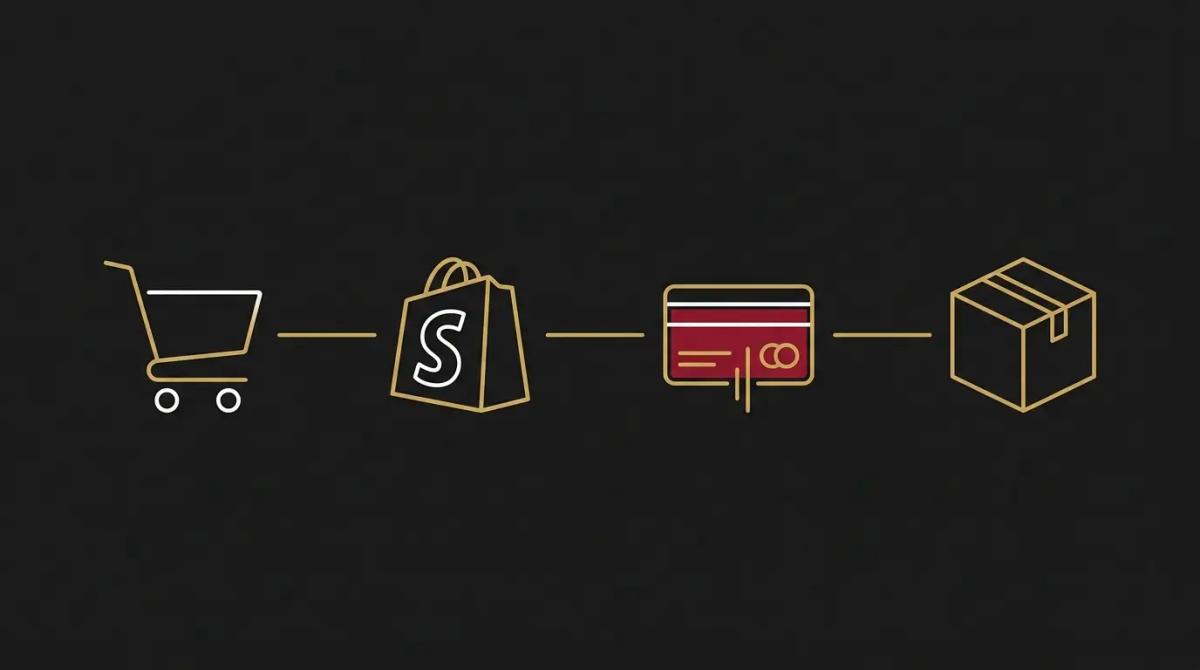
- →It clears the checkout. A messy checkout loses the sale. Its built-in payment system remembers customer details across the internet, meaning a returning buyer can complete a purchase in a single tap on their phone rather than filling out three pages of forms while standing on a train.
- →It runs the shop floor. If you have a physical location, its point-of-sale system runs the cash register and deducts the item from your online inventory instantly, so you never accidentally sell the same shirt twice.
//What it connects to
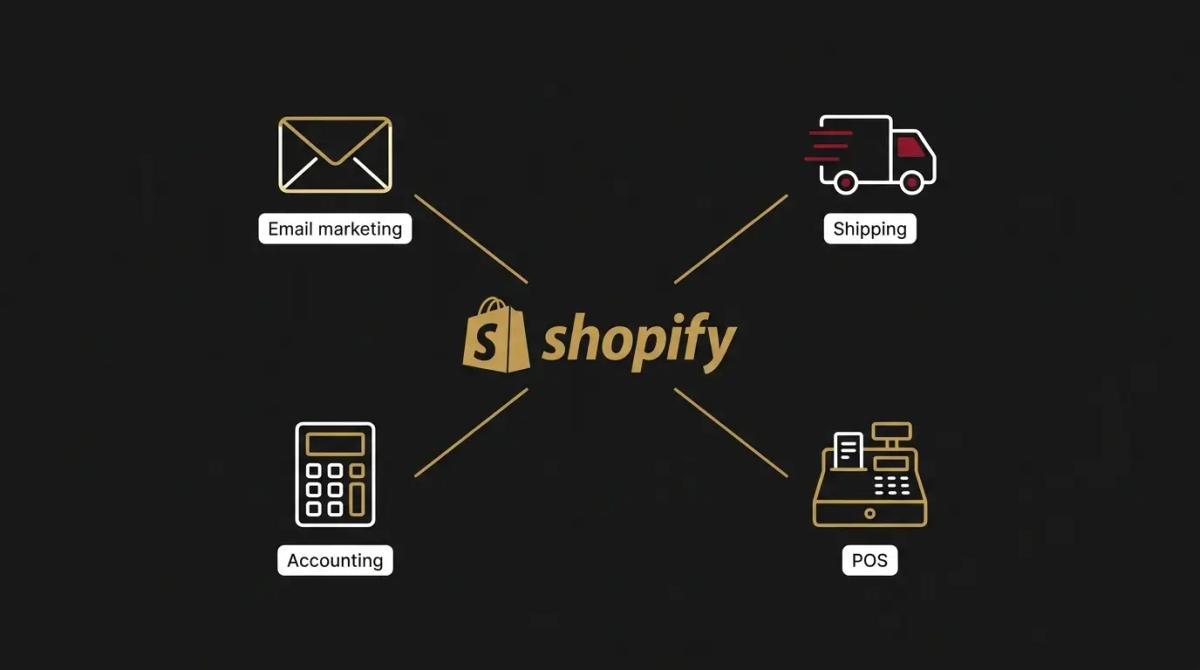
It is built to be the central hub of your business, connecting outward to your marketing, logistics, and accounting.
- →A free trial lets you build the store in private, test the layout, and load your products, but the site remains locked behind a password until you choose a paid plan.
- →The paid tiers open up the live checkout, the staff accounts, and the advanced reporting that shows you exactly where your profit is coming from.
- →It connects to a massive directory of third-party apps, meaning it links natively to almost any accounting tool like Xero, email platform like Klaviyo, or warehouse system you already use.
//How it makes you more money
- →The cart actually converts. When the buying process is fast and accepts every major payment method out of the box, fewer people abandon their carts. Capturing the sales you used to lose at the final step is a direct bump to revenue, and a clear checkout encourages repeat buying.
- →You sell where the customer is. It pushes your products directly to Instagram, TikTok, and Google. If a customer wants to buy your product while scrolling social media, they can check out right there, while your central inventory stays perfectly accurate in the background.
//How it saves you money
- →No separate web hosting or security fees. The cost of keeping the site online, securing the credit card data, and handling the server maintenance is bundled into the subscription. You are not paying an IT contractor to update plugins every month.
- →Shipping rates are cheaper. It negotiates bulk rates with major shipping carriers and passes the discounts to you directly in the dashboard, cutting the margin you lose on postage and making your shipping quotes more competitive.
//How it lowers your stress
- →You cannot crash the server. If a product goes viral or you run a major Black Friday sale, traditional websites often buckle under the traffic, crashing exactly when you are making money. This platform handles the sudden spikes automatically, so you can focus on packing boxes instead of calling tech support in a panic.
- →The inventory math does itself. The quiet anxiety of wondering if you actually have enough stock on the shelf to fulfill an incoming order disappears when the system tracks every sale, exchange, and refund across every channel in real time.
//Where it falls down, and what it can cost you
It is the standard for a reason, but the base subscription is rarely what you end up paying.
- →The app directory is a financial trap. Out of the box, the software is deliberately lean. If you want customer reviews, a loyalty program, or complex bundle pricing, you have to rent a third-party app. We have found owners who go click-happy in the app directory quickly turn a cheap monthly platform into their heaviest business expense, paying for features they barely use.
- →You are penalised for using outside payments. If you choose to use a third-party payment gateway instead of their native processing system, they charge an additional transaction fee on every single sale, which eats into your margin aggressively.
- →It is a shop, not a publisher. If your business relies heavily on long-form articles, deep content marketing, or heavy media publishing, its blogging tools are basic at best. It is built to sell products, not to run a magazine, and forcing it to do both usually frustrates the marketing team.
//When to try it, pay for it, or build it in
Use the free trial to load your products, set up your categories, and see if the inventory logic makes sense to your team. Pay for a subscription the moment you are ready to accept real money, because you cannot open the digital doors without one. Bring in outside help to build it into your broader operations when your order volume grows to the point where manual packing slips take too long, and you need the platform wired directly into your warehouse and accounting software.
//How we do it
We use Shopify for clients who sell products, full stop. We build the storefront, but our real focus is keeping the backend architecture clean. We wire it directly into the client's accounting tool and their shipping providers, so a sale automatically reconciles the ledger and prints the shipping label in the warehouse. Crucially, we audit the app stack. Instead of bolting on twenty expensive plugins that slow the site down, create security gaps, and drain the monthly budget, we use the native features wherever possible, so the business keeps the profit it actually makes.

WRITTEN BY
Felipe Chaparro
Systems Architect and Founder of SYSBILT. Felipe engineers custom automation, AI workflows, and performance web architectures for scaling Australian service businesses.